
Crown melb pokies rtp regulations victorian law
Understanding RTP Regulations on Crown Melbourne Pokies
Specific state licensing conditions govern Crown’s separate venues in Melbourne and Perth. Players must identify which location they intend to visit, as access rules, gaming floor layouts, and responsible gambling frameworks vary between the two sites. This distinction determines the applicable regulatory standards for entry and play.
Gaming Mechanics, Electronic Gaming Machines, and Table Game Operations
Physical gaming floors feature two primary categories of play: electronic gaming machines (commonly referred to as pokies) and traditional table games. Each category operates on distinct mathematical models that determine the long-term statistical relationship between wagers and returns. For electronic gaming machines located in Victorian venues, statutory minimum theoretical return-to-player (RTP) percentages are mandated by state regulation, ensuring that machines are programmed to return a specified minimum proportion of turnover over millions of simulated plays.
It is critical to distinguish long-term statistical RTP from short-term session outcomes. A theoretical RTP of 90% or 92% does not guarantee that an individual session will yield that exact percentage. Short-term variance dictates that a player may experience significant fluctuations, including extended periods without returns or short bursts of higher payouts. Electronic gaming machines use pseudo-random number generators (RNG) certified by independent testing laboratories to ensure every spin is independent of previous outcomes.
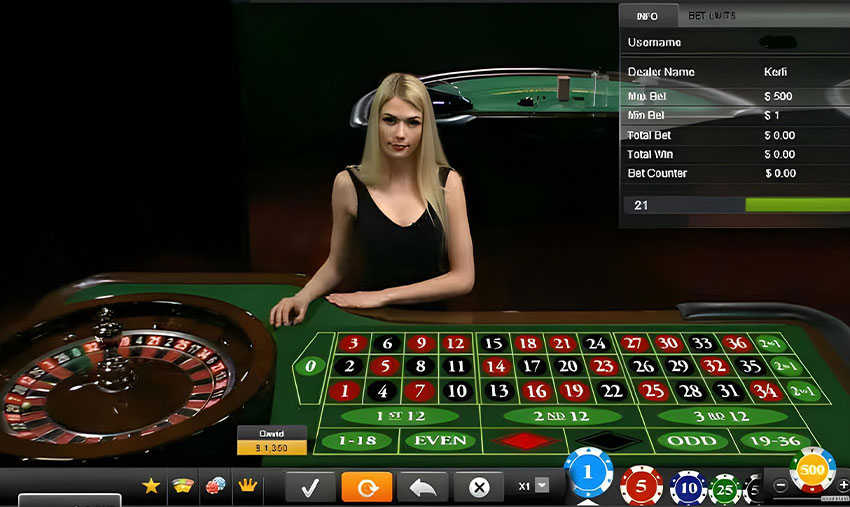
Table games such as blackjack, roulette, and baccarat operate on fixed mathematical probabilities with transparent house edges built into the rules. In European roulette, for example, the single zero wheel creates a house edge of 2.70% on standard wagers, whereas American roulette features both a single zero and a double zero, increasing the house edge to 5.26%. Blackjack offers a lower house edge—often dropping below 1% when optimal basic strategy is applied—because player decisions directly influence the outcome of each hand. These house edges represent the mathematical advantage that the venue maintains over an infinite sample of play, ensuring sustainable physical operations while maintaining fixed, verifiable odds for every game type.
Crown’s library is powered by Pragmatic Play, NetEnt, Microgaming, Evolution and Hacksaw Gaming. These studios control the mechanics behind most titles here. If you prefer high-volatility slots or live dealer tables with specific RTP settings, check which provider built the game before playing. A slot from NetEnt behaves differently to one from Microgaming.
Crown: operator profile
What distinguishes Crown?
| Brand | Details |
|---|---|
| Crown | AU$10k weekly cap; min AU$20-AU$50 |
Withdrawal limits cap standard tier accounts at approximately AU$10,000 per week. Minimum withdrawal amounts vary by method: AU$30 for cards, AU$50 for bank transfers, and AU$20 for e-wallets or cryptocurrency equivalents. Monthly ceilings adjust based on VIP level, requiring players to track cumulative payout totals against account status.
Responsible Gambling Tools, Player Protection, and Support Pathways
Pre-commitment settings and account controls
A pre-commitment system shifts the decision from the moment of play to a period of calm reflection. In Australian venues, including Crown facilities, electronic gaming machines are often linked to player accounts that allow limits on daily losses or time spent. These limits are not automatic safety nets; they function only if the player sets them before starting. A common misconception is that these tools prevent all harm. They do not. They reduce the speed at which a session can escalate. If you set a $200 loss limit, the machine will stop accepting further bets once that threshold is reached, but it will not refund previous losses. The utility lies in creating a hard stop when cognitive fatigue makes self-regulation difficult.
Staff intervention and venue protocols
Crown operates under strict regulatory obligations regarding staff conduct and patron interaction. Employees are trained to identify signs of distress or excessive gambling behaviour. This includes patrons who appear agitated, those who have been playing for unusually long periods without breaks, or individuals who seem unaware of their surroundings. When such patterns emerge, staff may approach the patron to offer assistance or suggest taking a break. In more serious cases, where there is evidence of immediate risk or vulnerability, staff have the authority to intervene further, potentially involving security or management. This protocol relies on human observation instead of algorithmic prediction. It creates an external check on behaviour that might otherwise go unnoticed by the individual involved.
Self-exclusion agreements and legal binding
Self-exclusion is a formal contract between the player and the venue. At Crown, this typically involves signing an agreement that prohibits entry to designated gaming areas for a specified period, often ranging from six months to five years. Once signed, this agreement is legally binding within the premises. Entering a restricted area after exclusion can result in trespass warnings or police involvement. The critical distinction here is scope: a venue-specific self-exclusion does not automatically ban you from other casinos or online platforms unless those entities share a centralised database, which varies by jurisdiction. For players seeking broader protection, national or state-wide registers exist, but they require separate applications. The effectiveness of self-exclusion depends on enforcement. Venues use facial recognition technology and ID checks to detect excluded individuals, though no system is infallible. The barrier is significant, adding friction to the act of returning to gamble.
Accessing support services independently
Support pathways extend beyond the casino floor. Crown provides information on local counselling services and helplines directly within its venues and through customer service channels. However, relying solely on operator-provided links can create a conflict of interest perception. Independent organisations, such as Gambling Help Online or Lifeline, offer confidential advice without commercial ties. Players can access these services anonymously via phone or web chat. The key advantage of independent support is the ability to discuss financial stress or relationship strain without worrying about how it affects future bonuses or account status. Venues are required to display contact details for these services prominently. Knowing that help exists outside the gaming environment allows for a clearer separation between the activity and the personal issues it may exacerbate.
Frequently asked questions
What triggers an account review or suspension?
Automated systems monitor for patterns suggesting bonus abuse, multiple accounts, or irregular betting strategies. Sudden large wins or frequent high-stake play might prompt manual verification. This is standard procedure to ensure fair play and regulatory compliance, not necessarily an accusation of wrongdoing.
Can I appeal a decision I disagree with?
Yes. Most operators have an internal complaints process. If unresolved, you may escalate to independent adjudicators recognised by the licensing authority. Keep records of all correspondence and timestamps when submitting an appeal.
How do I resolve a suspension quickly?
Respond promptly to requests for identification or proof of source of funds. Delays extend the review period. Provide clear, unedited photos of required documents. Once verified, access is usually restored within 24 to 48 hours, depending on the complexity of the case.
Where to get gambling help after visiting Crown Melbourne
Help is available immediately after a visit, regardless of how much was spent. Crown Melbourne provides on-site support services; however, for independent advice, Gambling Help Online (1800 858 858) operates 24/7 across Australia. This distinction matters: venue staff manage immediate concerns, while the national service offers confidential counselling and financial guidance without institutional ties. Self-exclusion via BetStop restricts access to all online gambling platforms registered in Australia. Remember, the legal minimum age is 18. If losses are being chased or time limits ignored, contacting the helpline is a practical step toward regaining control.